Verso
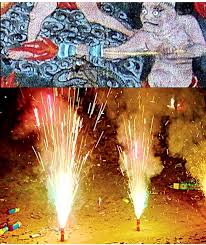
1. The Physical Device
Antique Cannon Barrels: Historically, a "berso" was an old, small-caliber brass or bronze cannon barrel.
Improvised Firecrackers: In more recent generations, the term also described large, "baby dynamite"-style firecrackers.
These were typically made of a heavy cardboard or carton cylinder about 1.5 inches in diameter, wrapped with a red label and featuring a long wick.
2. Usage and Tradition
Church Celebrations: They were traditionally used by caretakers (encargados) during important religious festivities, such as town fiestas or church celebrations, to create loud, booming sounds that signaled the start of an event.
Signaling: In some regions, like near the Basilica in Taal, they were specifically prepared and detonated to mark the exact moment a religious icon (like the Blessed Virgin) was brought out of the church.
Local Terminology: While the word berso means "verse" or "poem" in many Philippine languages like Hiligaynon and Tagalog, its use for fireworks is a specific cultural colloquialism referring to the "boom" or "bang" of these heavy-duty devices.
3. Safety and Modern Status
Danger: Because of their high explosive power and improvised nature, they are considered dangerous and are often discouraged or restricted by modern safety regulations and firecracker bans.
Historical Legacy: Many of these devices were repurposed from old military or colonial-era hardware, making them artifacts as much as pyrotechnics.